 Meghan Laino
3D design isn’t just a marketing gimmick – there is a real art and science behind it. Join me on Part 1 of this 4 part series where I break down the benefits of fit-guided 3D design.
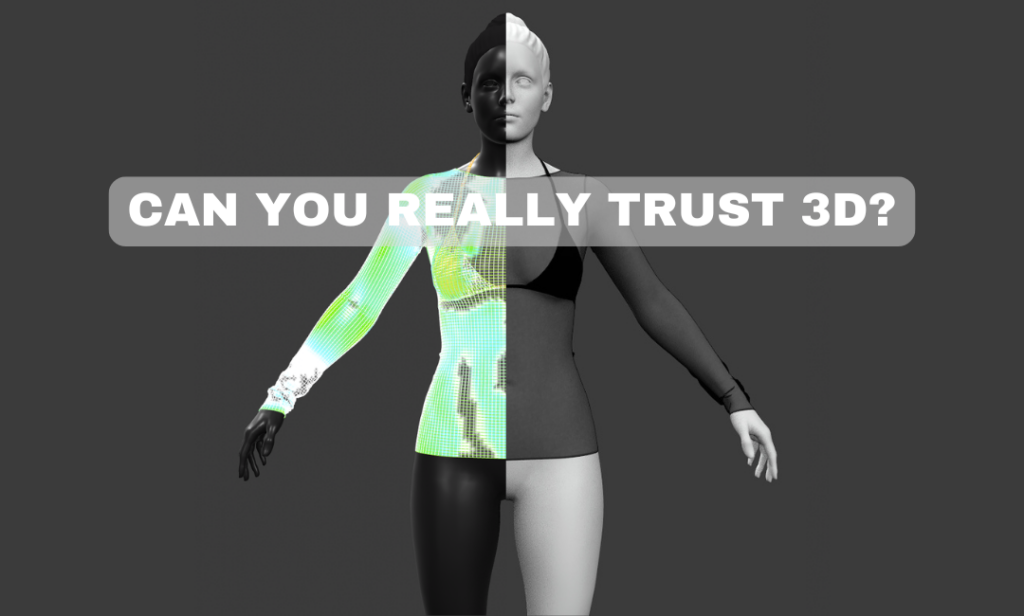
The fashion industry has always relied on a tactile and physical workflow.
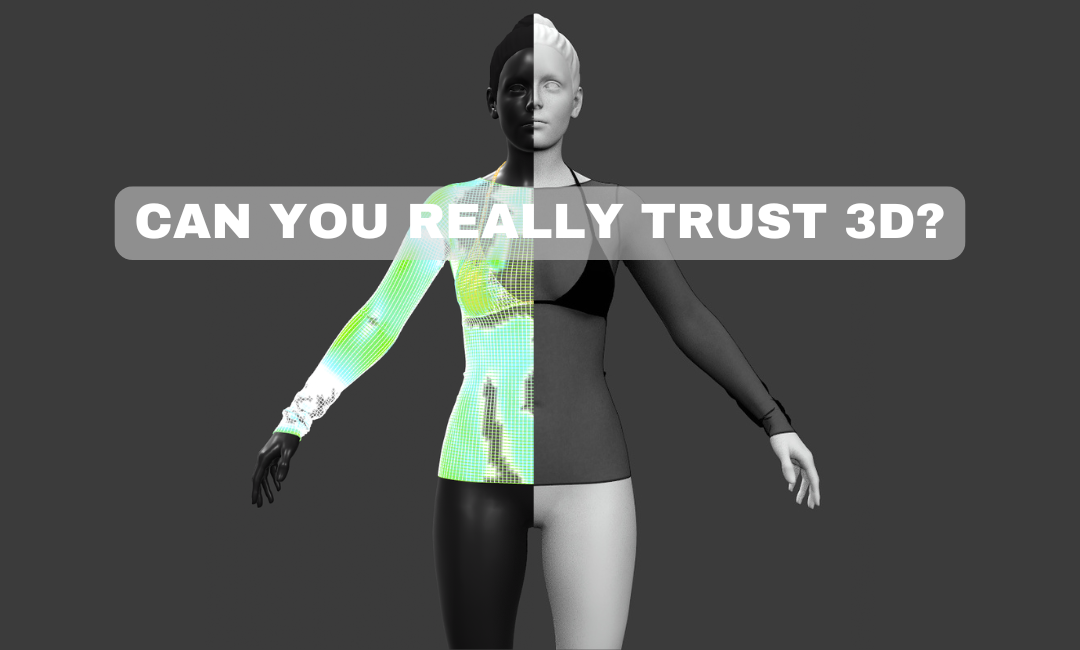
It is a natural reaction to have skepticism. But the truth is, shifting towards a fit-guided 3D design workflow, when done right can serve as a highly accurate and reliable “digital twin” of your physical garment.
Here is how fit-guided 3D design builds trust:
The Foundation of 3D Accuracy
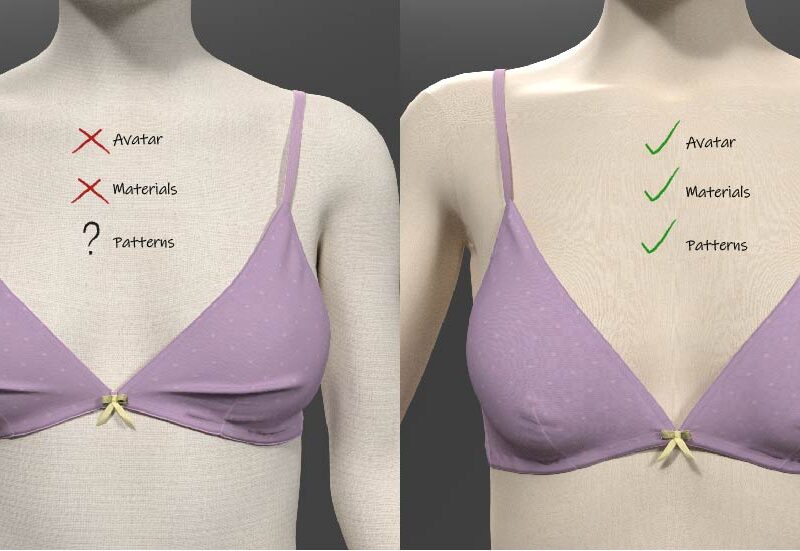
These three key elements are non-negotiables when building a 3D style. If any of these foundational pillars are off, trust in the digital sample fails.
The Production Pattern
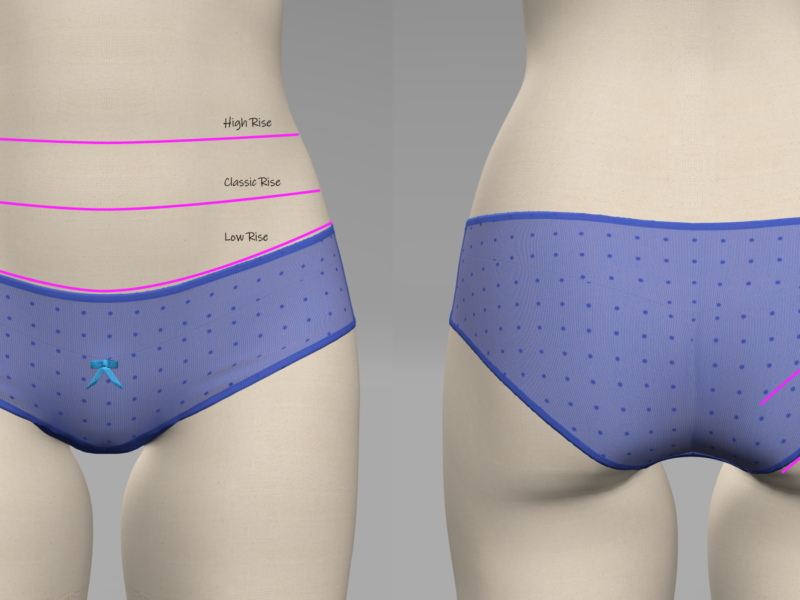
True fit-guided design uses exact production patterns that will eventually go to the factory floor, defining shape and size.
Digitized Materials
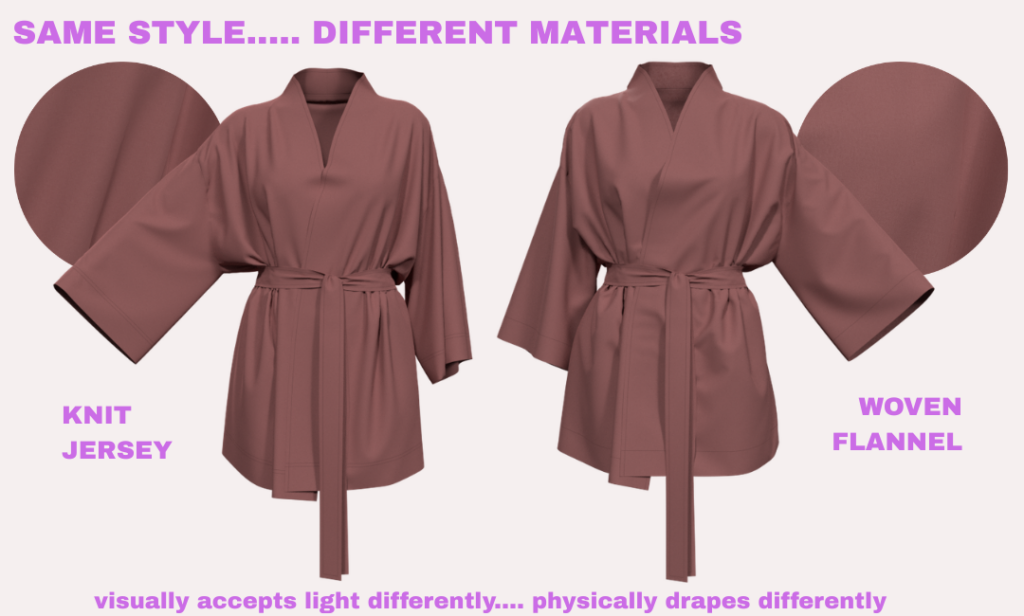
The fabric isn’t just a visual texture, it combines digitized material testing to mimic real-world physical properties like weight, drape and stretch.
The Accurate Avatar
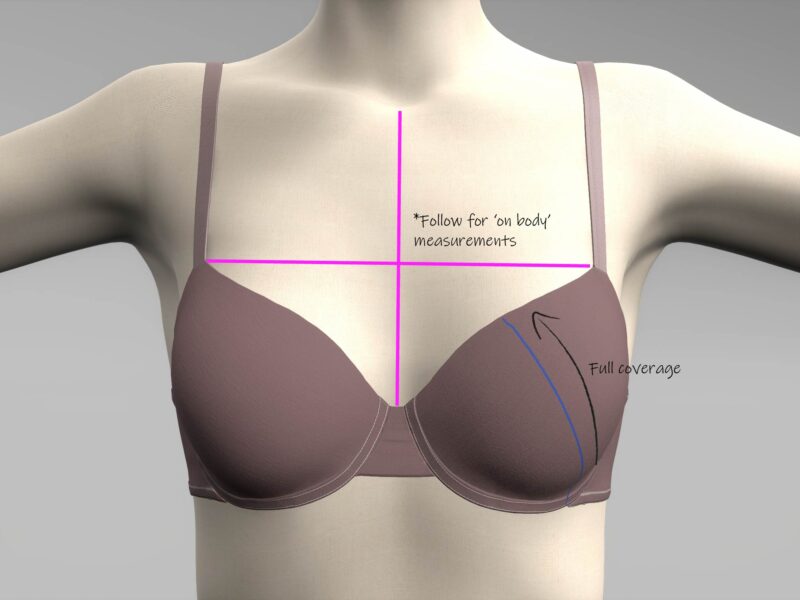
Custom avatars with specific sizing, body shape and measurements. This is your digital fit model.
Partnering With an Experienced 3D Technical Designer
Software alone doesn’t create trust, but expertise does. A common trap in 3D is “unrealistic perfection” – making a digital garment look so flawless that it hides real-world fit or construction issues
This is where partnering with an experienced 3D Technical Designer becomes essential.
A 3D style is not always “sewn” or constructed the same method as a physical sample would. An experienced 3D Technical Designer understands the balance of methods needed to showcase an true representation of a style without crossing the line of unrealistic perfection. If a 3D style shows drag lines or pulling then it will show in real life. Seeing those digital flaws allows teams to address before cutting a physical sample.
Low Risk Environment for Innovation
In traditional apparel development, experimentation is expensive.
3D design creates a low risk environment for concept prototyping. Allowing teams to narrow down an idea digitally and confidently making decisions to commit resources.
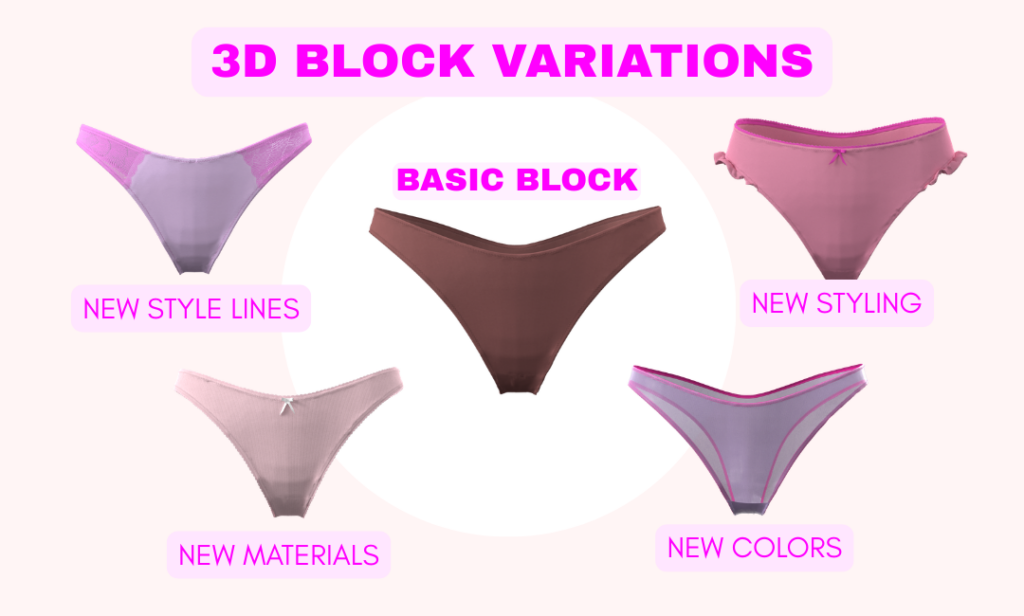
Incorporating 3D into the development workflow drastically reduces physical waste and improves efficiency – but more on that in a later part of this series.
When done correctly 3D can be a trusted tool in your development lifecycle. Partnering with a 3D Technical Designer can help visualize your design ideas into digital twins.
3D design when paired with pattern accuracy is a powerhouse tool for fit-guided development.
Do you use 3D design in your current development workflow? What are the biggest benefits you have found?
Look out for Part 2 of this series on fit-guided 3D design when we will discuss Live 3D Fitting Reviews.